You can have it all—systematic instruction and joyful immersion in books. Rather than teaching phonics, vocabulary, and grammar in isolation, this session highlights a multi-componential approach that integrates these elements to strengthen fluency and comprehension. In this keynote, participants will see how to backward plan streamlined lessons from both highly decodable and authentic texts so instruction always serves the meaning of the book. Educators will leave with practical planning routines they can apply across skill levels and instructional groups to keep books—not isolated skills—at the center of early reading instruction.
Speaker Engagement & Keynote Options
Keynotes That Bridge Research and Practice—So Educators Leave Inspired and Equipped
Crafting Minds Group delivers engaging, evidence-based keynotes that help educators understand why literacy works—and how to apply it immediately in classrooms, intervention settings, and systems-level implementation.
Our keynotes blend the science of reading, practical classroom routines, and real-world implementation insights. Designed for educators, school leaders, and literacy specialists, each talk challenges common misconceptions, elevates instructional decision-making, and empowers audiences to take meaningful action the very next day.
Who We Speak To
Crafting Minds Group keynotes are ideal for:
- Literacy conferences and education summits
- District-wide professional learning days
- State and regional literacy organizations
- School leadership teams and instructional coaches
- Reading specialists, interventionists, and classroom educators (K–8)
About the Speakers
Crafting Minds Group is an educational consulting organization dedicated to improving literacy outcomes through research-aligned instruction, professional learning, and practical tools for educators. Our work centers on structured literacy, intervention design, fluency development, and systems-level instructional coherence.
Why audiences trust us:
-
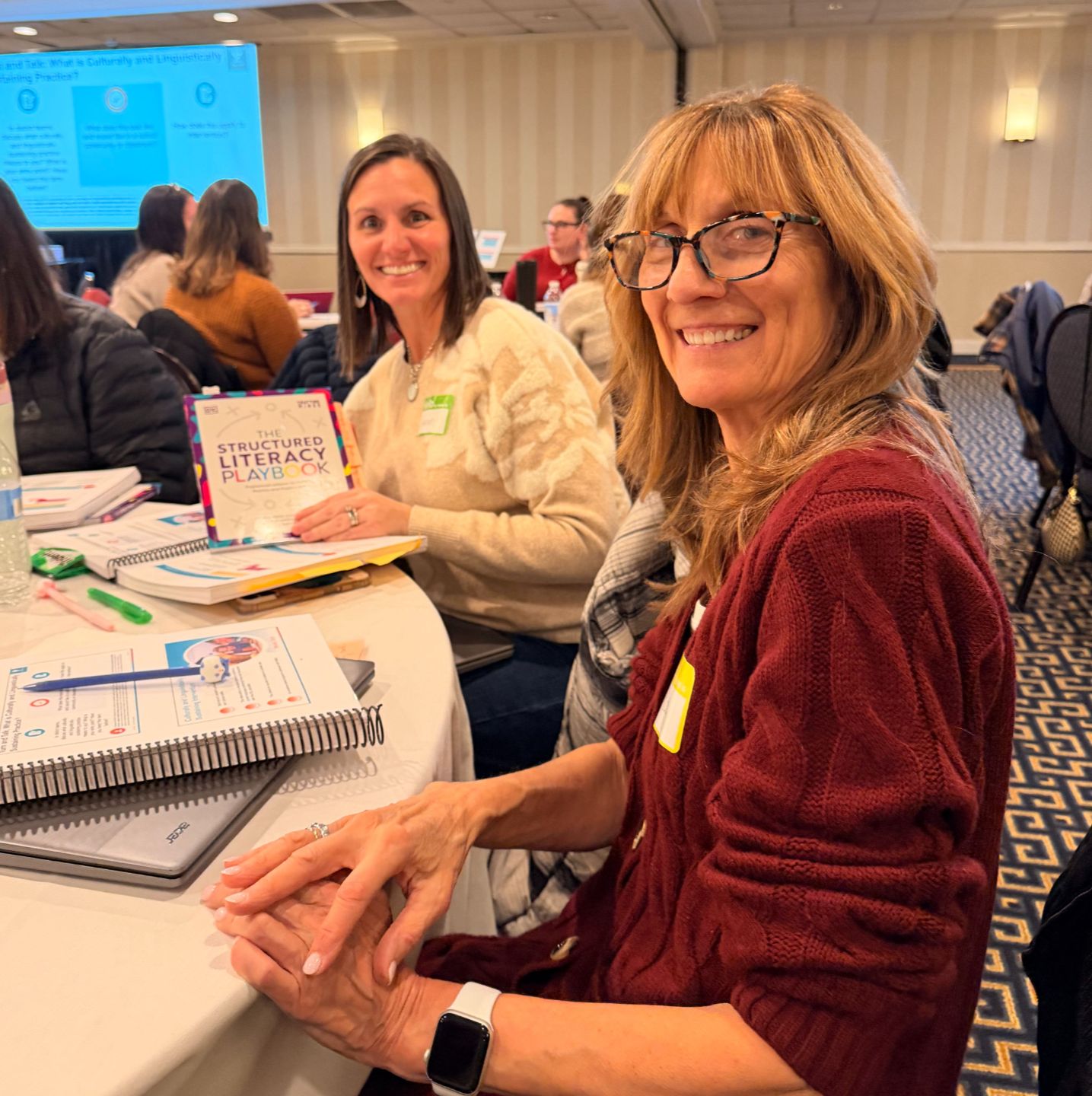
Authors of The Structured Literacy Playbook and related professional resources
-
Extensive experience supporting districts, state agencies, and schools
-
Known for translating complex research into clear, actionable instruction
-
Highly engaging presenters who balance inspiration with practicality
Our keynotes blend the science of reading, practical classroom routines, and real-world implementation insights. Designed for educators, school leaders, and literacy specialists, each talk challenges common misconceptions, elevates instructional decision-making, and empowers audiences to take meaningful action the very next day.

Sarah Gannon, M.Ed
Director
As a classroom teacher, reading specialist, and literacy coach for the past 18 years, Mrs. Gannon specializes in practical application of strategies.

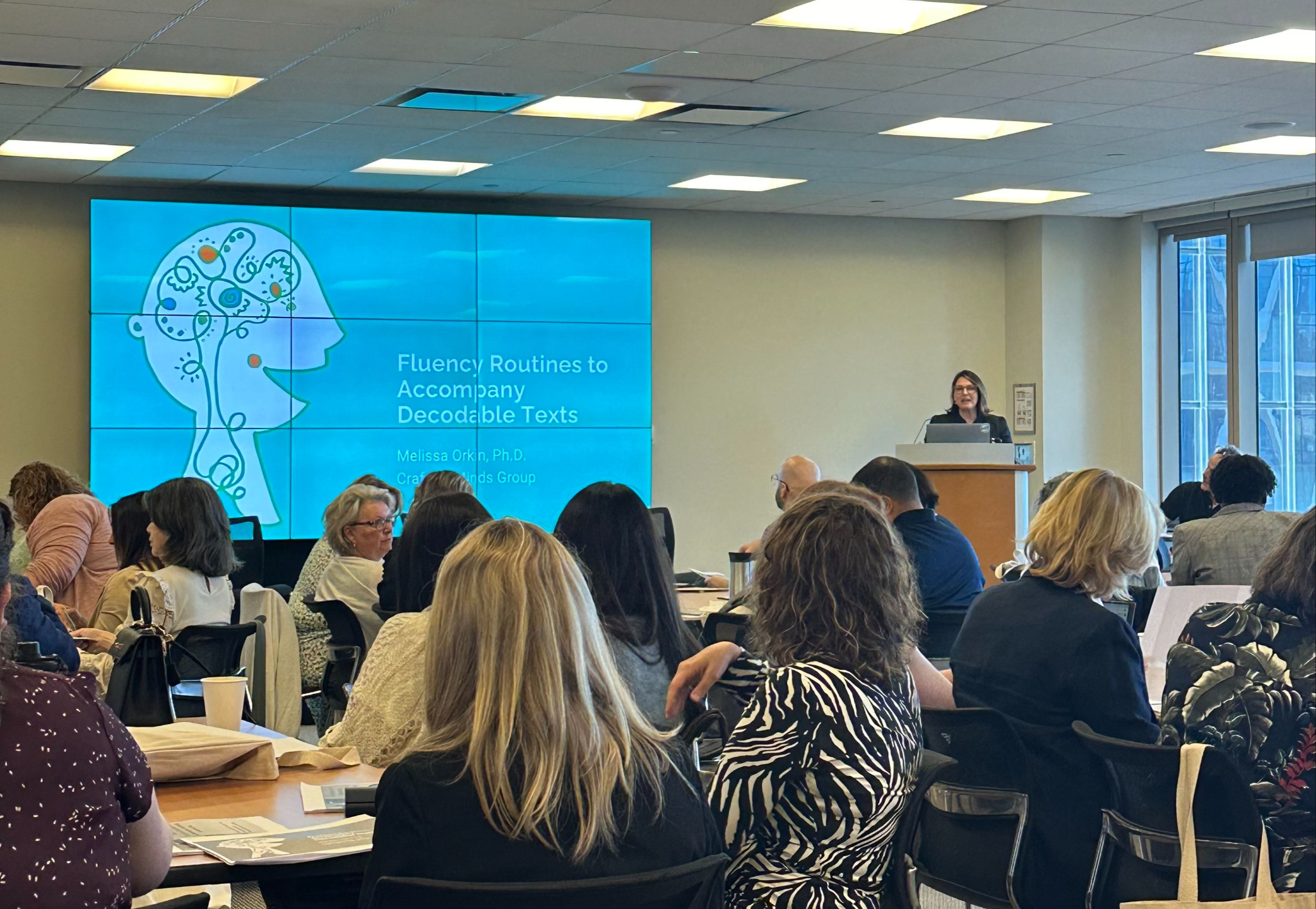
Melissa Orkin, Ph.D
Director
Dr. Orkin is an educator and developmental psychologist who specializes in literacy, learning disabilities and achievement motivation.
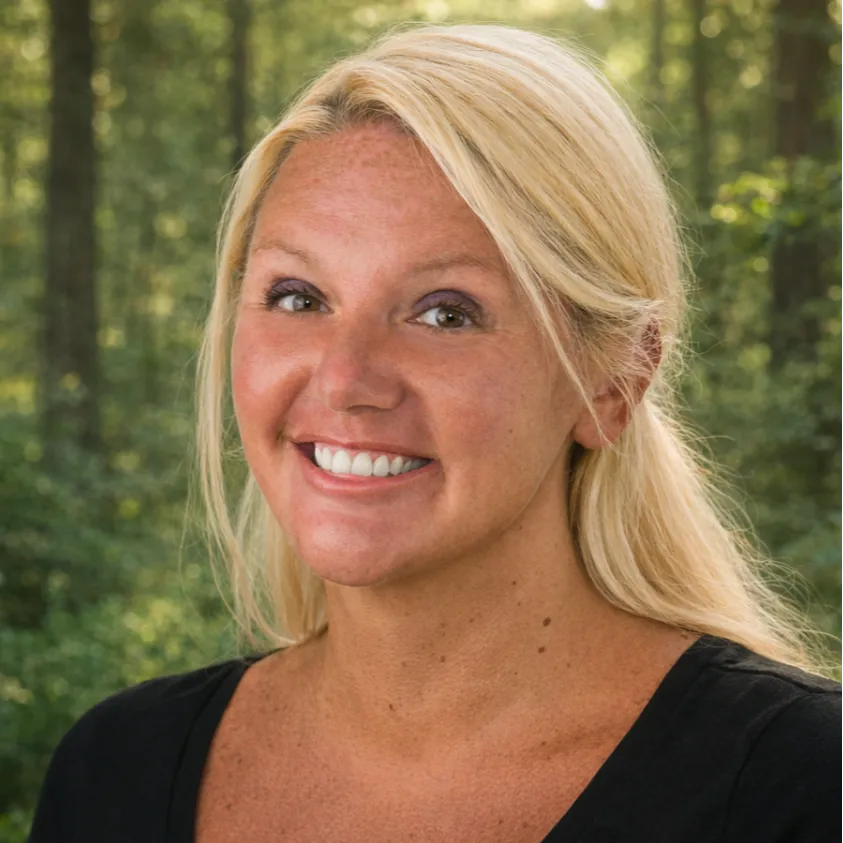
Alex Osburn, M.Ed
Principal Consultant
Alex has worked in education for over 15 years as a special education teacher and literacy coach. Ms. Osburn has a passion for MTSS, data-informed instruction, and coaching.
Selected Recent Speaking Engagements
- Amplify Leaders in Literacy Symposium, Cierco, IL (July 2025)
- The Reading League Summer Literacy Symposium, NY Chapter (June 2025)
- California Literacy Conference, LCRSET (June 2025)
- Plain Talk about Literacy, New Orleans, LA (February 2024 & February 2025)
- The Reading League National Conference, Charlotte, North Carolina (October 2024)
- Reading with Purpose Summit hosted by Penguin Books/Random House Publishing, New York, New York (June 2024)
- Massachusetts Reading Association Conference, Sturbridge, MA (May 2024)
- International Dyslexia Association, Columbus, Ohio (October 2023)
Signature Keynote Topics
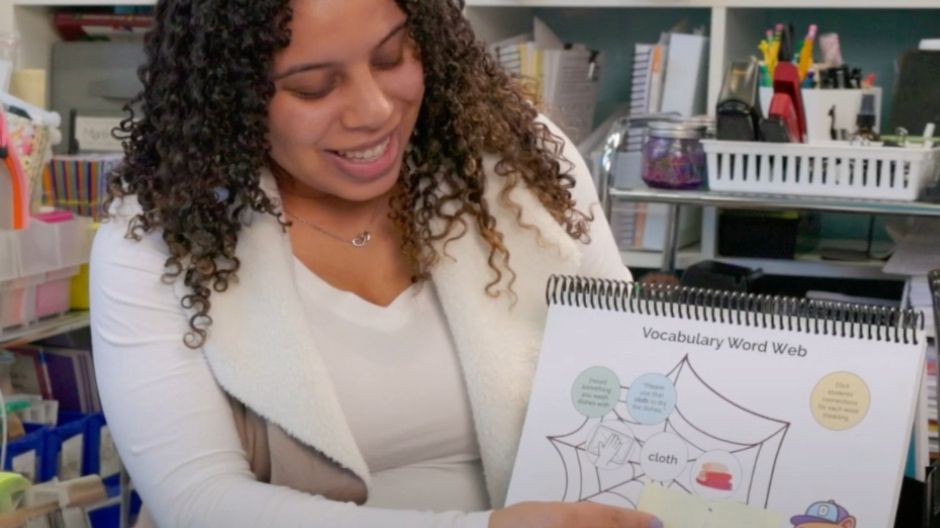
When Books Are The Stars
Building Structured Literacy Routines for Fluency from Controlled and Uncontrolled Texts

Dyslexia Instruction That's Targeted
Reading instruction for students with dyslexia is most effective when it is precise, responsive, and grounded in evidence, not when it relies on a one-size-fits-all approach. Research now shows that dyslexia presents in distinct yet overlapping subtypes, and students benefit most when instruction is targeted to their specific patterns of strengths and needs. In this keynote, “Dyslexia Instruction That’s Targeted,” educators will explore how the Science of Reading connects assessment directly to instructional decision-making. Through case-based examples, participants will gain clarity around common dyslexia subtypes, including those with co-occurring working memory or attentional weaknesses, naming speed challenges, and double deficits. The session concludes with practical guidance on delivering explicit, systematic instruction that aligns with student profiles and maximizes reading achievement.

Breaking the Fluency Ceiling for Older Students
Morphology-Based Instruction in Upper Elementary and Secondary School
By third grade, reading changes—texts become longer, vocabulary becomes denser, and nearly 70% of the multisyllabic words students encounter contain prefixes and suffixes, yet many readers are never explicitly taught how these word parts work. This keynote, features the ways brief systematic instruction in morphology transforms small-group reading. Giving students reliable tools for decoding, spelling, and understanding the meaning of complex vocabulary, and immediately applying these skills to thematic nonfiction text offers a meaningful platform for fluency development. Breaking the fluency ceiling doesn’t require more practice—it requires teaching students how complex words actually work.

Maximizing Delivery
Using High-Leverage Teaching Principles to Elevate Intervention
Effective intervention depends not only on what we teach, but how we deliver instruction in the moment. In this keynote, Maximizing Delivery: Using High-Leverage Teaching Principles to Elevate Intervention, educators will explore the pedagogical practices that make small-group instruction more powerful, efficient, and responsive. Drawing from evidence-based explicit instruction, the session highlights strategies such as clear modeling, maximizing student participation, purposeful pacing, and providing quick, corrective feedback that keeps learning on track. Educators will leave with practical, high-leverage delivery moves they can apply immediately to elevate the impact of intervention without adding time or complexity.
What Organizers Say
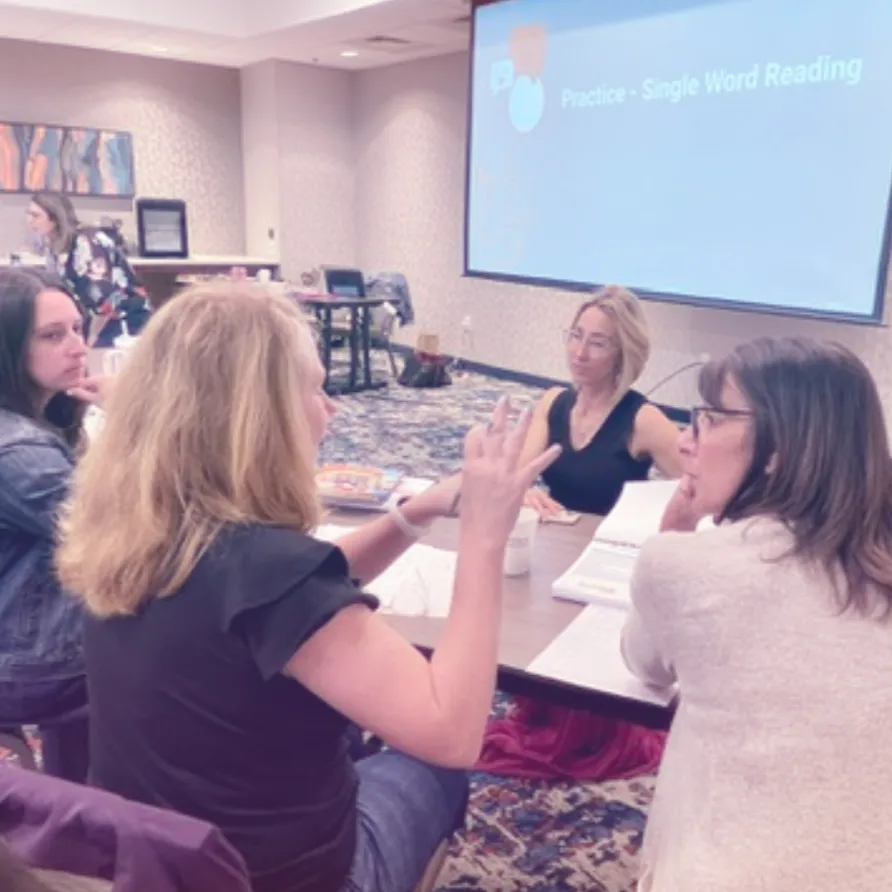
Reading League NY Chapter
“One of the most practical and engaging literacy keynotes we’ve hosted—educators left energized and ready to implement.”
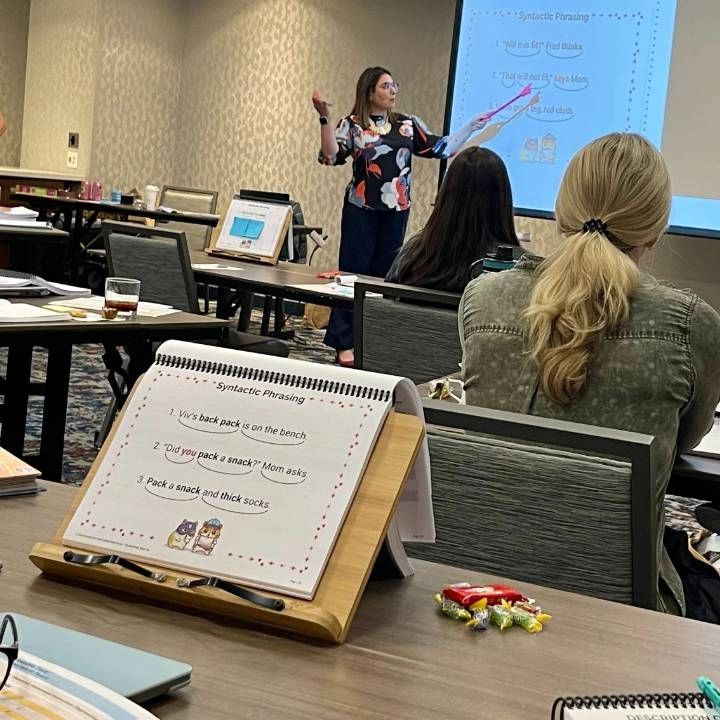
Reading with Purpose Summit
"Their impactful content goes beyond the traditional science of reading to connect instruction to vocabulary, parts of speech and morphology."
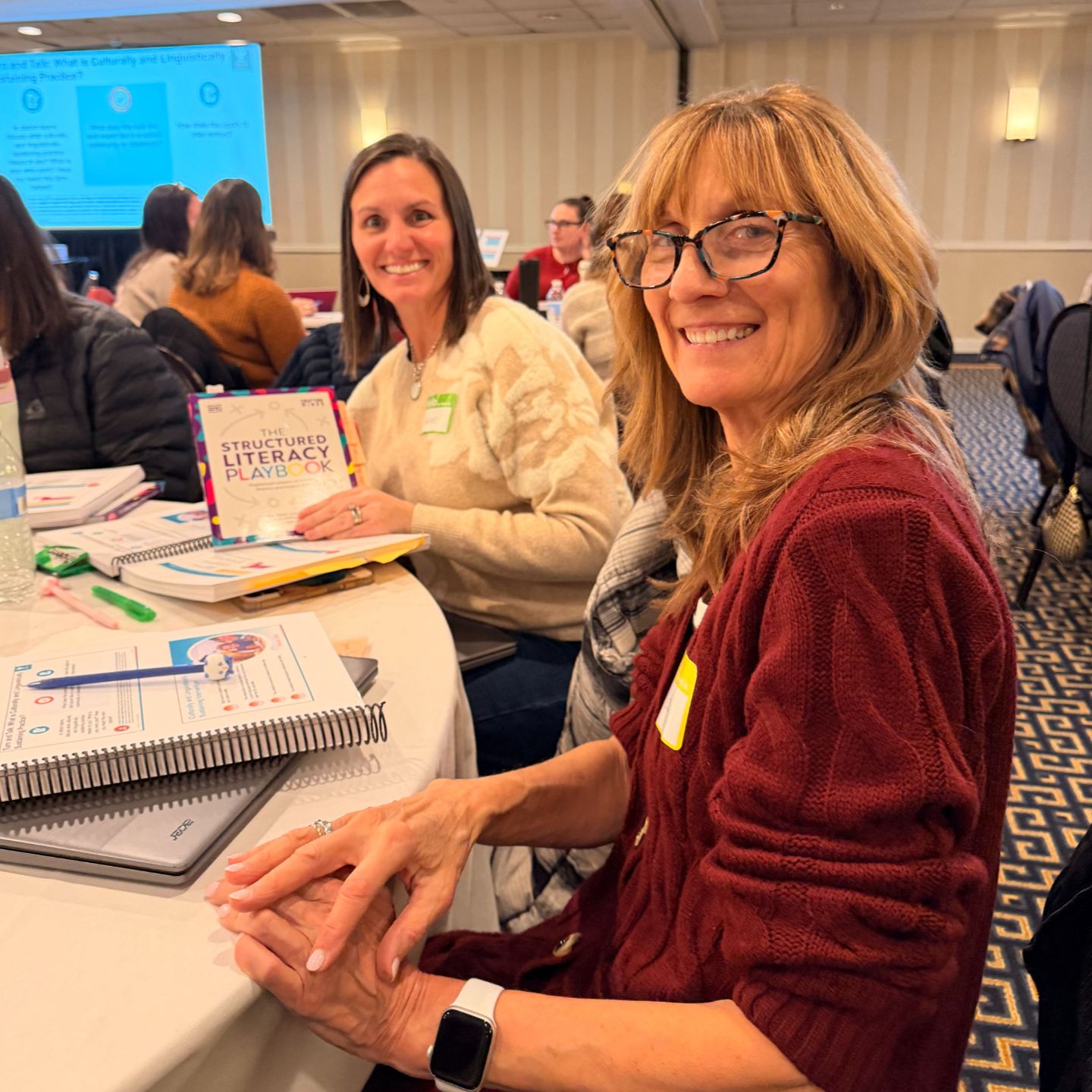
State Level Administrator
"Crafting Minds presentations are fantastic! Relatable, funny, entertaining, but also everyone learns something."
Join our mailing list!